
Introduction: Securing Your Access Database
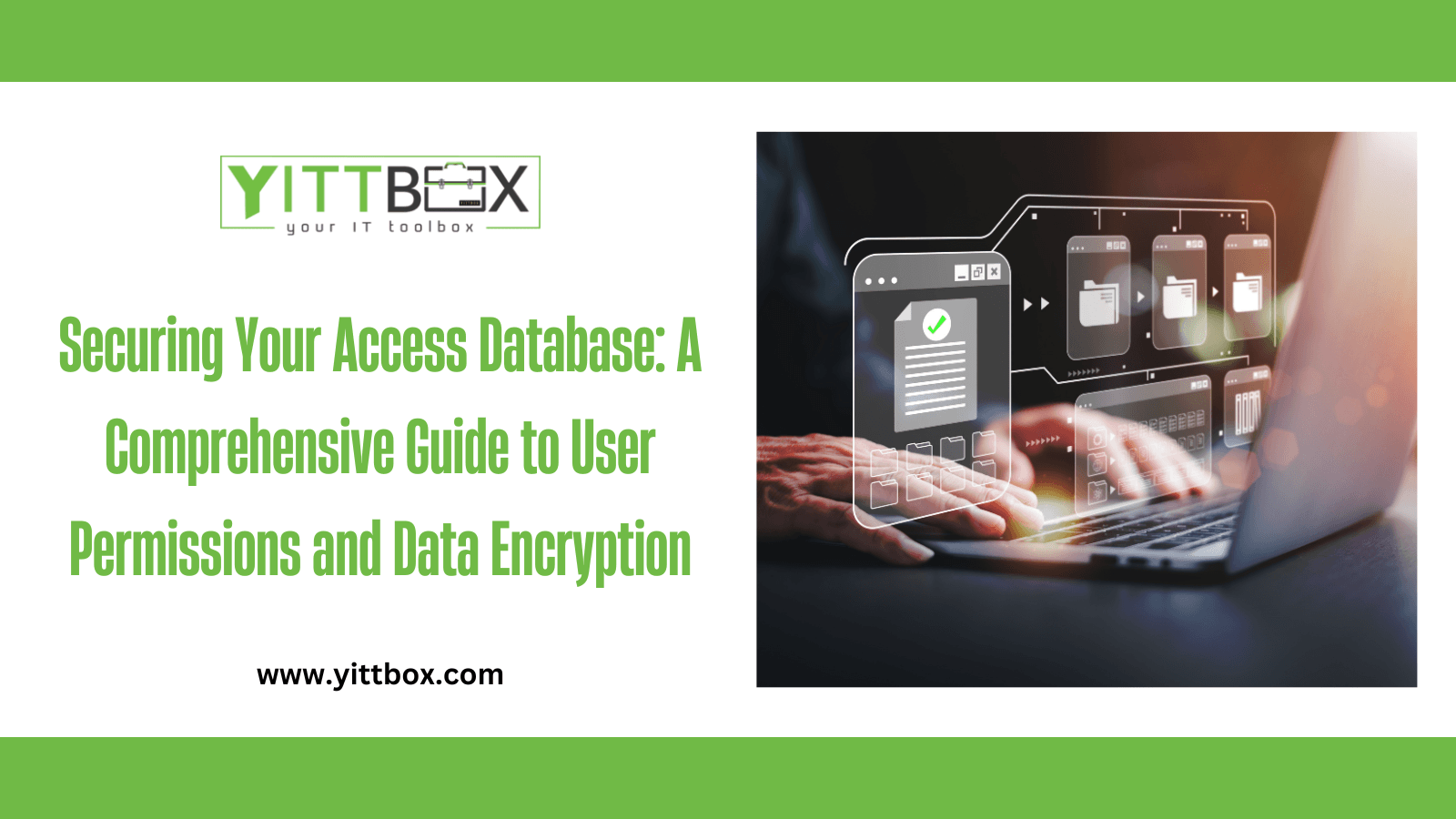
Securing your Access database is of paramount importance to protect sensitive data and maintain the integrity of your information. In this blog, we'll delve into the essential aspects of database security, focusing on user permissions and data encryption. By implementing robust security measures, you can safeguard your data from unauthorized access and potential threats.
Understanding the Need for Database Security
Database security is vital in today's digital landscape, where data breaches and cyberattacks pose significant risks. Whether you're managing financial records, customer information, or proprietary data, securing your Access database ensures confidentiality and prevents data loss.
Implementing User Permissions
User permissions control what different users can do within your Access database. Learn how to set up user accounts and grant appropriate permissions based on roles and responsibilities. We'll cover the concepts of read-only access, data modification, and creating custom user groups.
Securing Sensitive Data with Encryption
Data encryption is a powerful technique that protects sensitive information from unauthorized access. Explore various encryption methods available in Access, including field-level encryption and database-level encryption. We'll also discuss the importance of choosing strong encryption algorithms and key management strategies.
Enforcing Password Policies
A strong password policy is the first line of defense against unauthorized access. Discover best practices for creating robust passwords and enforcing password policies in your Access database. Additionally, learn how to implement multi-factor authentication for an extra layer of security.
Limiting Database Exposure
To minimize risks, limit your database exposure by restricting remote access and implementing network security measures. We'll discuss techniques to secure your network connections and prevent external threats from reaching your database.
Regular Database Backups
Data loss can occur due to various reasons, such as hardware failure or malware attacks. Learn the importance of regular database backups and how to implement an effective backup strategy. This ensures that even in the worst-case scenario, you can quickly restore your data to its most recent state.
Auditing and Monitoring Database Activity
Implement auditing and monitoring features in Access to track user activity and detect potential security breaches. Learn how to review log files, set up alerts for suspicious activities, and maintain an audit trail for accountability.
Securing Linked Tables and External Data
If your Access database links to external data sources, additional security precautions are necessary. Discover how to secure linked tables, validate external data sources, and ensure data integrity across your database.
Securing VBA Code
Visual Basic for Applications (VBA) code is used to automate processes in Access. Learn how to protect your VBA code from unauthorized access and potential tampering, safeguarding your custom functionality and data manipulation routines.
Conclusion: Securing Your Access Database
Securing your Access database is a critical responsibility to protect your valuable data and maintain the trust of your users. This blog has provided a comprehensive guide to securing your database through user permissions, data encryption, password policies, auditing, and more.
By implementing these security measures and staying vigilant against emerging threats, you can fortify your Access database, ensuring its confidentiality, integrity, and availability in today's ever-evolving digital landscape.
Comments
Be the first to comment on this post.