
You know the routine. Someone on your team opens a spreadsheet every morning, copies numbers from one file into another, fixes the rows that broke overnight, and hopes nobody saved over the wrong version. It works — until it doesn't. And by the time it doesn't, you're usually chasing a mistake that already reached a customer.
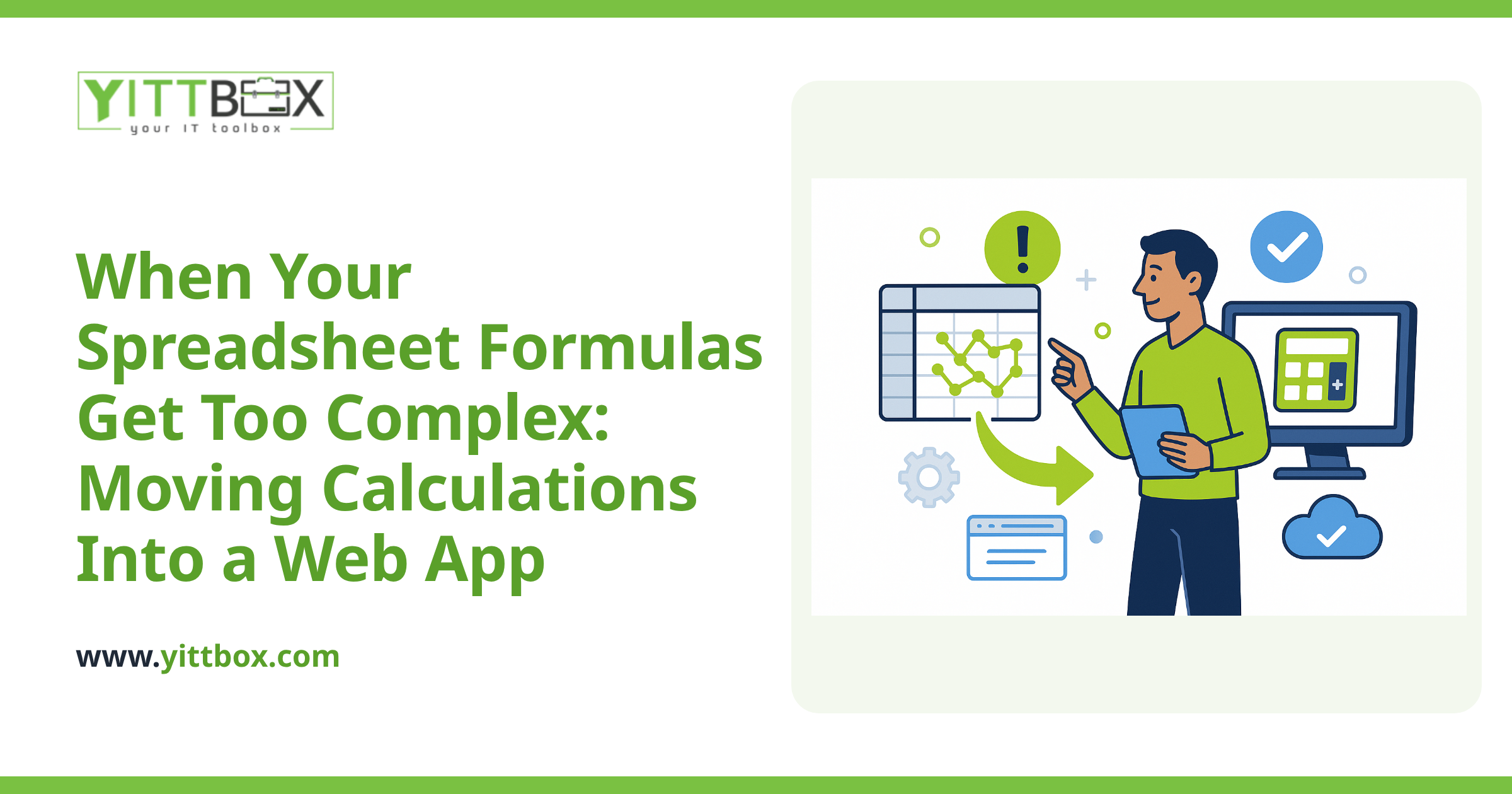
Spreadsheets are brilliant tools. Most businesses start on them for good reason: they're cheap, familiar, and flexible. The question isn't whether they're useful. It's whether the manual data entry you're doing right now is quietly costing you more than a better system would.
How much is manual data entry actually costing me?
More than the hours, usually. The obvious cost is time — someone typing, copying, and reconciling data that a computer could handle instantly. But the hidden costs tend to be bigger:
- Errors that reach customers. A mistyped price, a wrong address, a duplicated order. Each one costs time to fix and trust to rebuild.
- Work that only one person understands. When your spreadsheet lives in one employee's head, a holiday or resignation becomes a genuine problem.
- Decisions made on stale numbers. If your figures are a week old by the time they're compiled, you're steering by yesterday's map.
- Growth you can't take on. Manual processes don't scale. Doubling your orders shouldn't mean doubling your data-entry hours.
Add those up over a year and the "free" spreadsheet often turns out to be one of the more expensive things in your business.
Isn't a spreadsheet good enough for a small business?
Often, yes — for a while. If a handful of people update one file occasionally, a spreadsheet may be exactly right, and you shouldn't spend money replacing something that works.
The trouble starts when the spreadsheet grows beyond what it was designed for. Warning signs include several people needing the same file at once, tabs that reference other tabs in ways nobody fully trusts, or a monthly "tidy-up" that eats an afternoon. When a spreadsheet becomes the thing your business runs on rather than a tool you occasionally use, it's usually outgrown its job.
What would replace my spreadsheets?
A custom web application built around how your business actually works. Instead of open cells anyone can overwrite, you get proper forms, validation, and permissions. Instead of emailing files back and forth, everyone works from the same live data, from any device.
In practice, that means:
- Data entered once, correctly, with checks that catch mistakes before they're saved.
- Reports that update themselves, so your numbers are current when you need them.
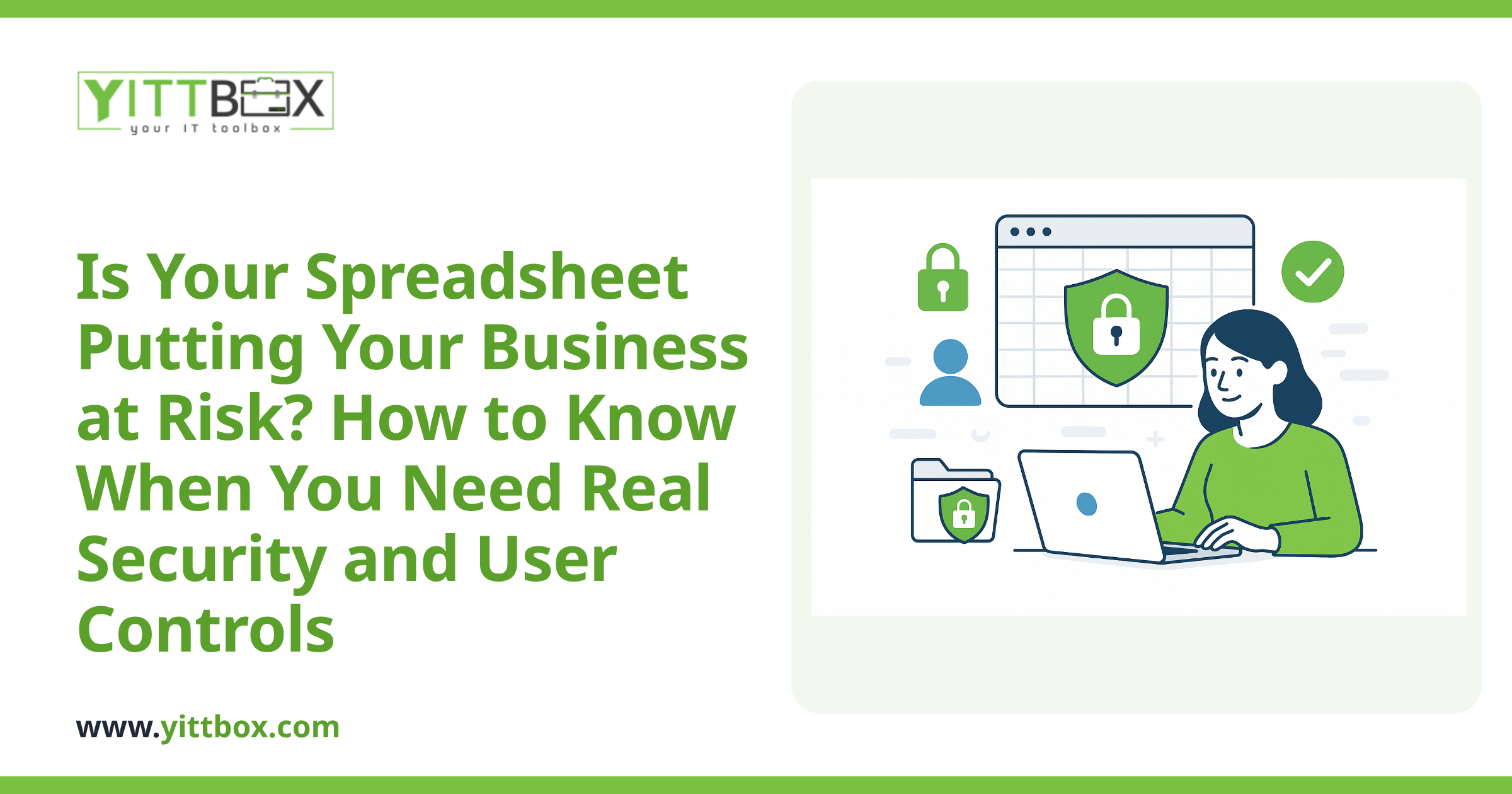
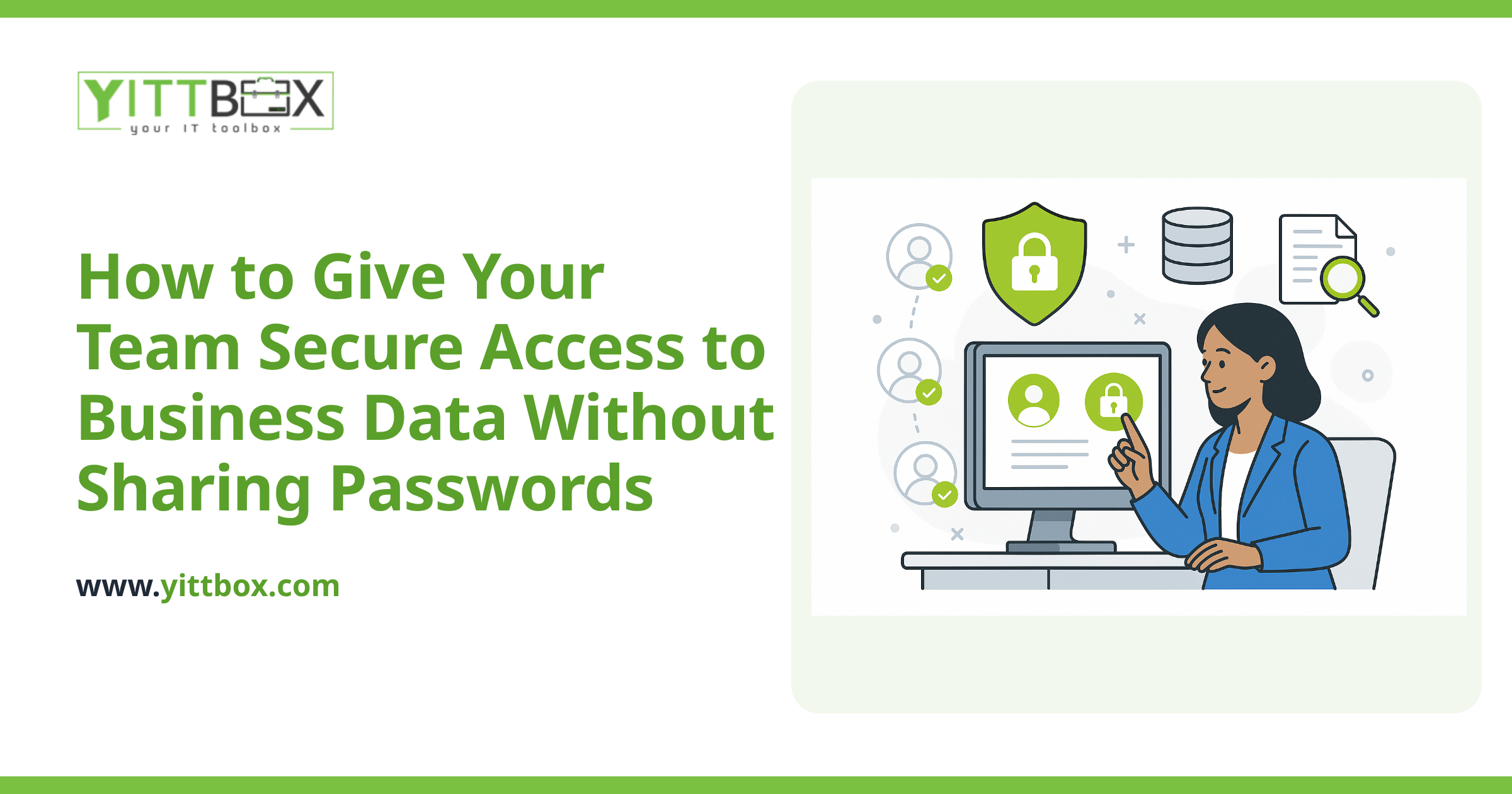
- Access controls, so people see what they need and nothing they shouldn't.
- A record of who changed what and when.
The goal isn't a shinier spreadsheet. It's a system that removes the repetitive typing altogether. If you're weighing what moving off spreadsheets involves, our spreadsheet-to-application conversion page walks through how it typically works.
Will switching disrupt how we work day to day?
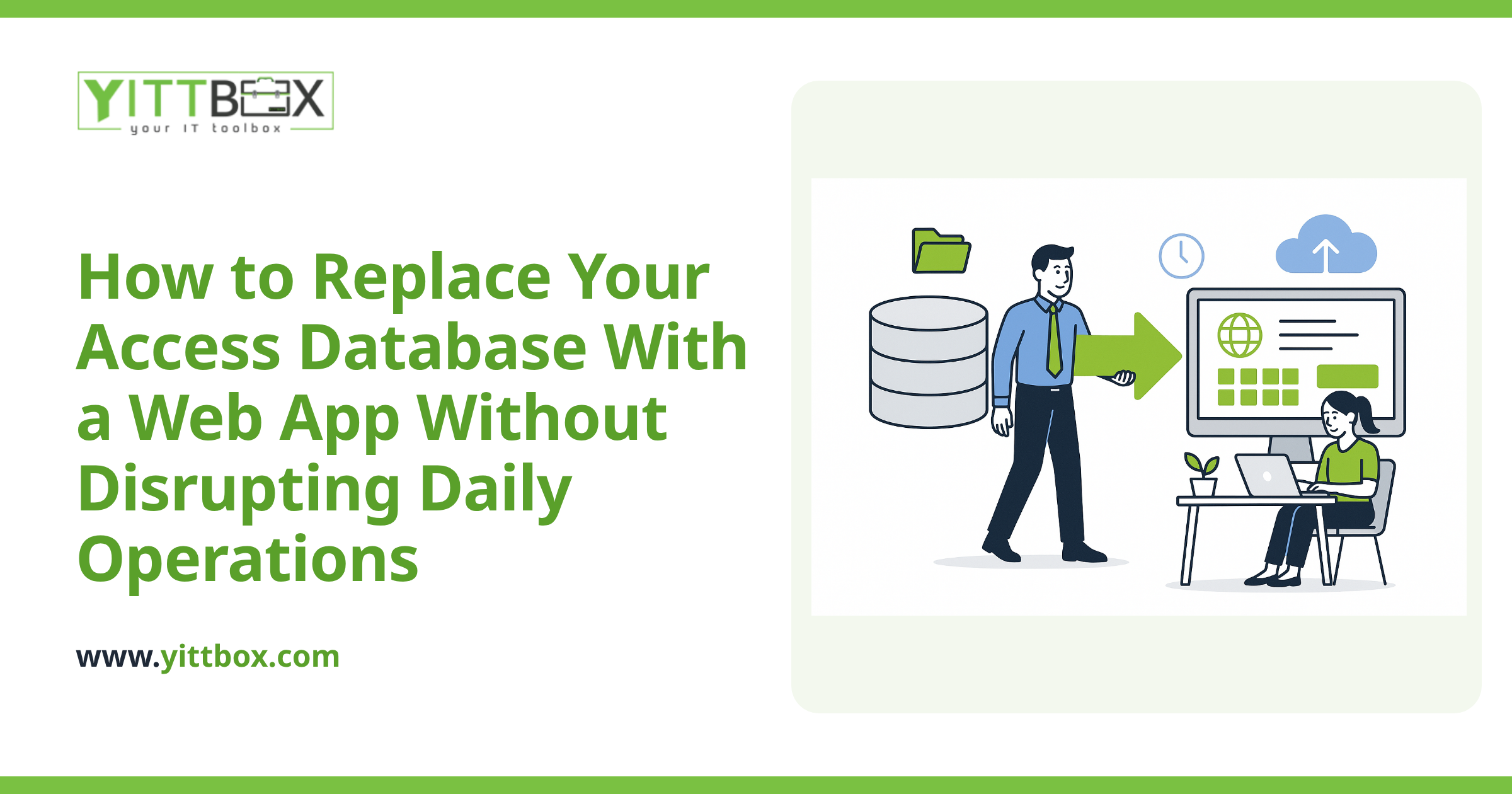
It shouldn't — not if it's done properly. A good conversion keeps what already works and fixes only what doesn't. We start by learning your current process before suggesting a single change, so the new system feels like a natural upgrade rather than a foreign object dropped on your desk.
Often the existing spreadsheet data can be brought straight into the new system, so you're not starting from a blank page. And because the whole thing is explained in plain English throughout, you'll always understand what's being built and why — no jargon, no surprises.
How do I know if it's worth the investment?
The honest answer: it depends on your situation, and anyone who quotes you a price before understanding your business is guessing. Replacing spreadsheets that cause real, recurring pain usually pays for itself. Replacing spreadsheets that are working fine usually doesn't — and we'll tell you if that's the case.
A sensible way to find out is to add up the rough time your team spends each week on manual entry and error-fixing, then weigh that against the friction of the current setup. If the numbers make you wince, it's worth a closer look. You can also request a plain-English estimate for your specific process.
What's the risk-free way to look into this?
Start with a conversation, not a commitment. We offer a free, no-pressure review of your current spreadsheets and processes. We'll tell you honestly whether a custom system would help, where the biggest wins are, and roughly what it would take. If your spreadsheets are serving you well, we'll say so.
No pushy sales calls, no obligation — just a clear-eyed look at whether your manual data entry is still earning its keep. When you're ready, get your free review and we'll take it from there.
Comments
Be the first to comment on this post.